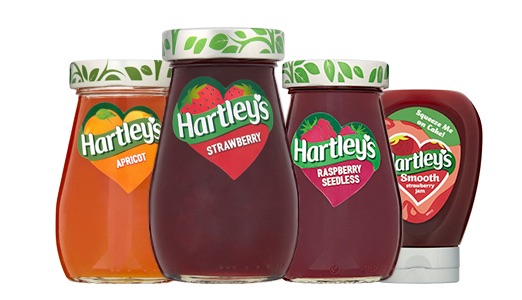
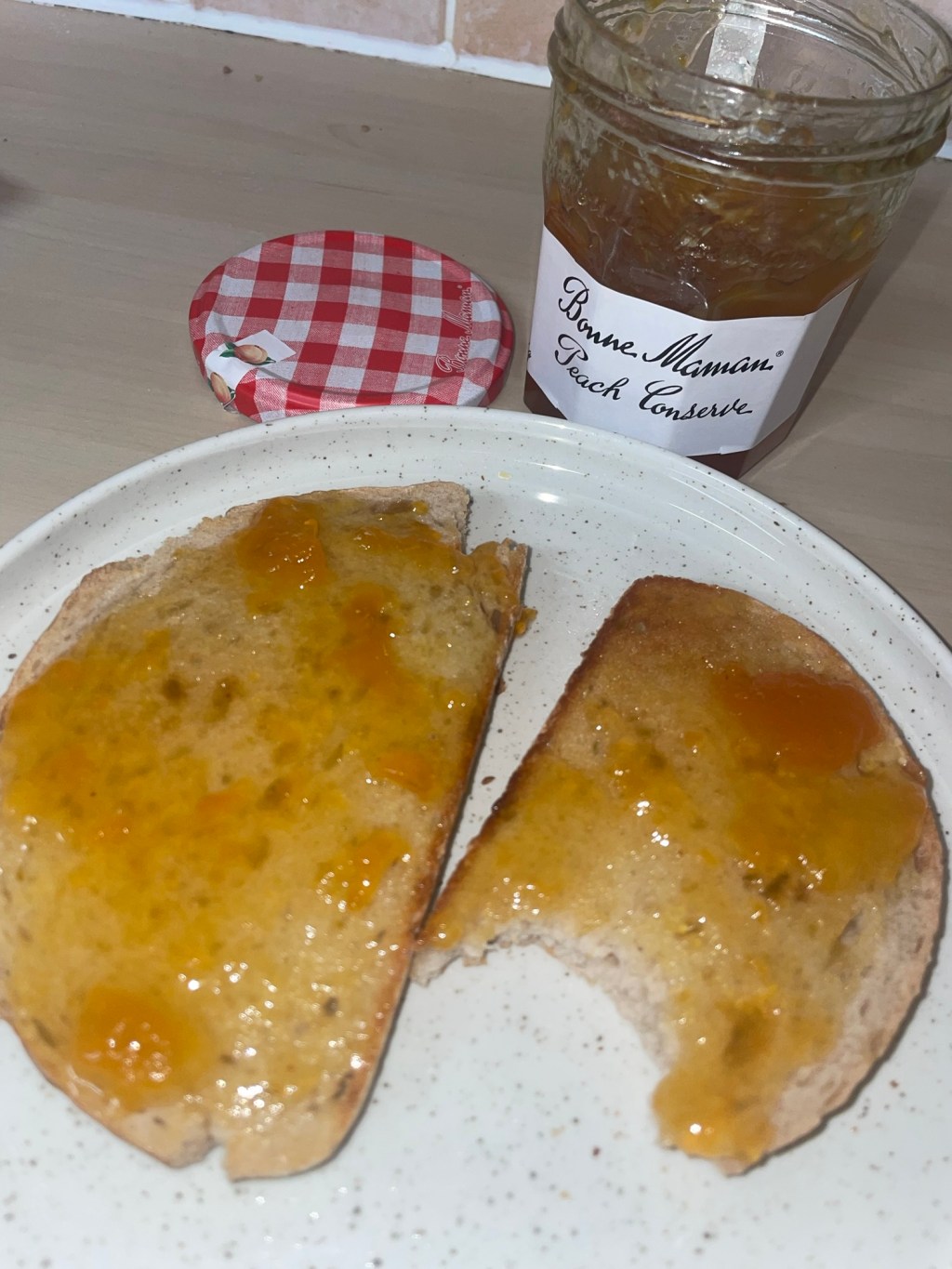
Hartley’s jam is a well-known British classic, almost every family I knew when I was a child in the early 2000s used exclusively Hartley’s jam. Now, almost nobody I know regularly purchases Hartley’s jam, with supermarket own-brands making their way into budget shopper’s baskets, and the likes of Bonne Maman or Tiptree being more popular for a treat. Why is it that Hartley’s seems to be less popular for its jam? I’m hoping to find out!
Hartley’s began 1871 in Lancashire, created through a Bob Ross style “happy accident”. William Pickles Hartley was a greengrocer by trade, when a supplier missed a jam delivery he decided to take matters into his own hands and make his own jam, so as not to let down his loyal customers. Hartley found that these jams had sold so well that he decided to create a business from it just 3 years later, and used his knowledge of fruit to produce marmalades and jellies alongside his jams. In 1884 the business became incorporated as William Hartley & Sons Limited, and in 1886 a new factory was built in Aintree. The business went from strength to strength, in 1890 a second factory was opened and the brand became the leading manufacturer of preserves in the UK.
Hartley’s has always faced brand competition, but arguably the competition today is even stronger. In February 2026 a taste test was performed, pitting Hartley’s raspberry jam against supermarket own-brand raspberry jams to find the best budget preserve. The results showed that the favoured jam was Aldi’s, costing just 89p and the second place scorer was Lidl, also at 89p. Whilst the rest of the jams weren’t numbered, Hartley’s was not near the top and with it costing almost £1 more than the winners, might this be a reason why it seems less popular today? Supermarket own-brands have been found to taste similar, if not better than Hartley’s and at almost half the price it makes sense that those on a budget, or those with children to feed may veer towards the cheaper option that doesn’t mean compromising on taste. It comes as no surprise that supermarkets position products on the shelves based on brand name and popularity, with own brands and cheaper alternatives being towards the bottom shelves, and name brands or premium ranges at eye level and above. I recall in the early 2010s that Hartley’s would often be positioned higher on shelves as despite its affordability, it was still a sought after brand. Now, most shops that you visit will have Hartley’s positioned lower on their shelves, slotted in amongst their value brand jams, showing that supermarkets may have also seen the decline in popularity, or that at a lower eye level they can market it towards children more subtly.
When searching the hashtag #jam on Instagram, you can scroll and scroll and scroll before finding any Hartley’s jam related posts, instead the hashtag features independent jam brands, Bonne Maman and homemade jam. When searching the hashtag #Hartleys on Instagram, it’s a similar story, with almost all posts relating to Hartley’s jelly range and very few featuring their jam. The content between the two differs in an interesting way, the majority of the top #jam posts were brands promoting their ranges, people sharing their own jam recipes or bakes involving jam, or influencers showcasing their breakfast platters or cheeseboards that feature fancier jams. It’s possible that the main reason Hartley’s jam does not feature in this kind of content is due to the aesthetic draw of social media. Influencers are more likely to share products that fit with their overall look, with other brand leaders such as Bonne Maman and Tiptree having a more “vintage” look in their packaging, and independent brands having more simplistic and minimalist packaging, these brands are more suited to a place in this idealistic content, over Hartley’s jam which is more often associated with being a jam for children or families.
On the other hand the majority of #Hartleys content comes from parents of young children and women who share “Slimming World” friendly recipes, as the Hartley’s jelly range is notoriously low calorie. It is interesting to me that a brand that was once best known for its jam, is mainly seen on social media due to it’s other ranges, in fact even the official Hartley’s instagram account (@hartleysfruit) mainly features child centric content, and their 10 calorie jelly range. This could be a sign that Hartley’s is aware that their lead on the British jam market may be falling away from them, so they’re monopolising a new market with their low calorie jellies, and it seems to be working for them. Going back to my previous point on display sight lines in shops, Hartley’s jelly ranges are often higher up on the shelves at an adult eye-level, which could demonstrate that it’s not the brand itself that’s declining in popularity, as the jelly is displayed prominently whilst the jam is demoted to lower level shelves.
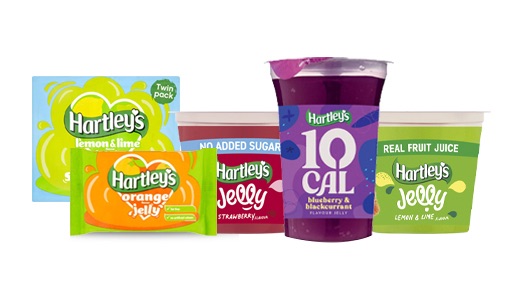
Overall, despite it being almost impossible to find any figures for Hartley’s yearly sales as a whole or just for their jam, it seems that the brand is losing its grasp on the jam world, but are instead successfully leading the market in other fruit based treats. I’d be interested to hear other people’s perspectives and whether you think that Hartley’s is as popular in the UK as it once was. I must admit that I haven’t bought Hartley’s jam in quite a few years as I enjoy trying new flavours over repeating old ones, but do you still buy Hartley’s? What do you think of their jam?

 Jam Is My Jam
Leave a comment